What to say
Is it bullying or just a bad day? What to say when your child comes home upset.
By M.F. Chang · September 2026 · 5 min read
Sooner or later a small person climbs into the car after school and says it: "Someone was mean to me." Your stomach drops. Was it bullying? Do I call the teacher? What do I even say? October is National Bullying Prevention Month, started by PACER's National Bullying Prevention Center in 2006, and it is a good excuse to work out your answers before you need them. The advice below comes from the federal StopBullying.gov site, the American Academy of Pediatrics (AAP) and PACER, and it is calmer than the pit in your stomach suggests.
First, is it bullying or a bad day?
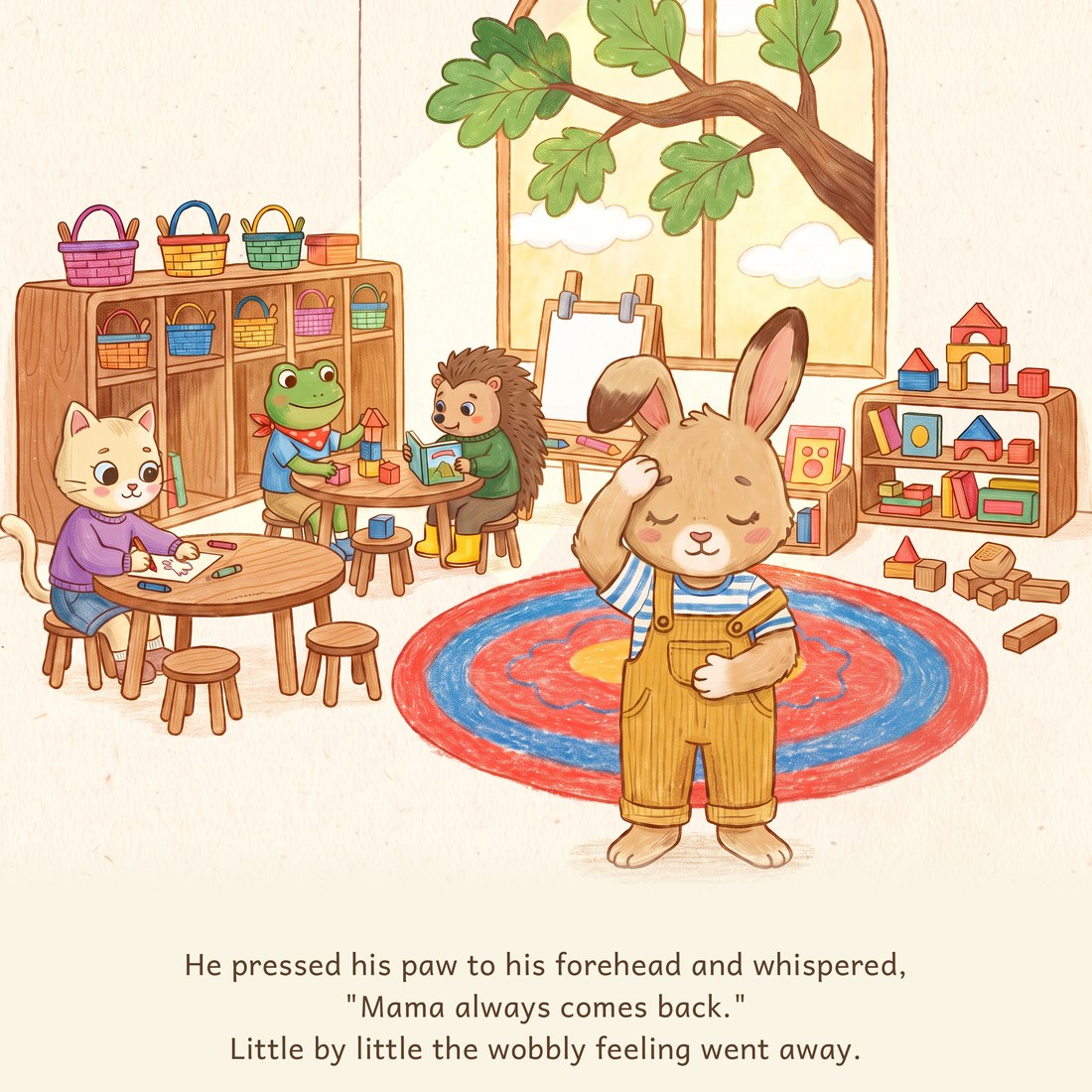
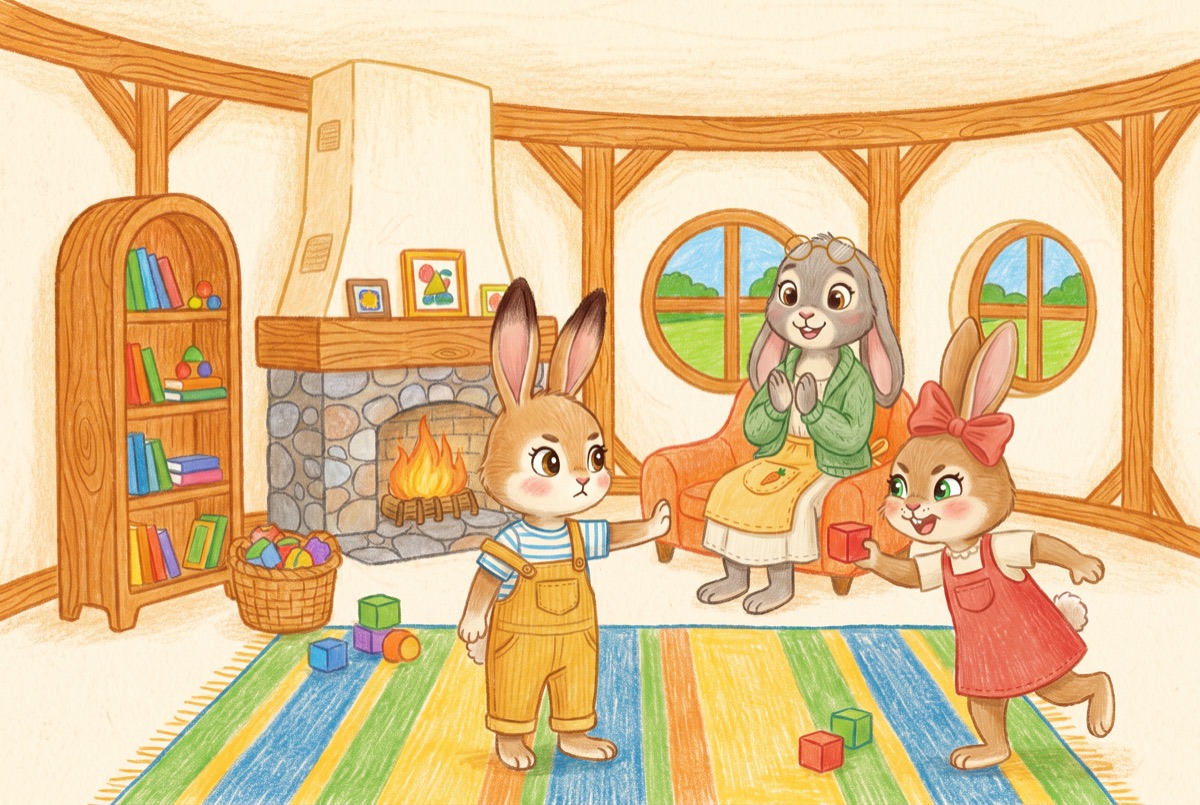
Not every unkind moment is bullying, and that distinction matters for what you do next. StopBullying.gov defines bullying as unwanted, aggressive behavior among school-aged children that involves a real or perceived power imbalance and happens more than once, or is likely to happen again. It comes in three forms: verbal (name-calling, teasing, threats), social (leaving a child out on purpose, spreading rumors, embarrassing them in front of others) and physical (hitting, pushing, spitting, breaking their things). A single argument over the block tower is a conflict between equals, and kids need practice resolving those. A bigger child who takes the same kid's snack every day is something else. Both deserve your attention; only one is bullying.
The signs that something is going on
Young children do not always announce a problem. StopBullying.gov lists the quieter signs: unexplained scrapes or bruises, lost or broken belongings, frequent headaches or stomachaches, changes in eating or sleeping, not wanting to go to school, and pulling away from friends. The same site cites a 2018 federal school-safety report finding that only about 20% of school bullying incidents get reported, often because kids feel ashamed, fear it will get worse, or worry adults will judge them. That is the case for talking about it before there is a problem.
Make the small talk a daily habit
The single most useful thing on StopBullying.gov is also the easiest: ask open-ended questions every day, so the channel is already open when something goes wrong. "What was the funniest thing that happened today?" and "What was the best and worst thing that happened to you today?" work better than "Was anyone mean to you?" You can also share an age-appropriate story of your own, which tells your child this is a normal thing to talk about, not a shameful one.
If your child tells you they were bullied
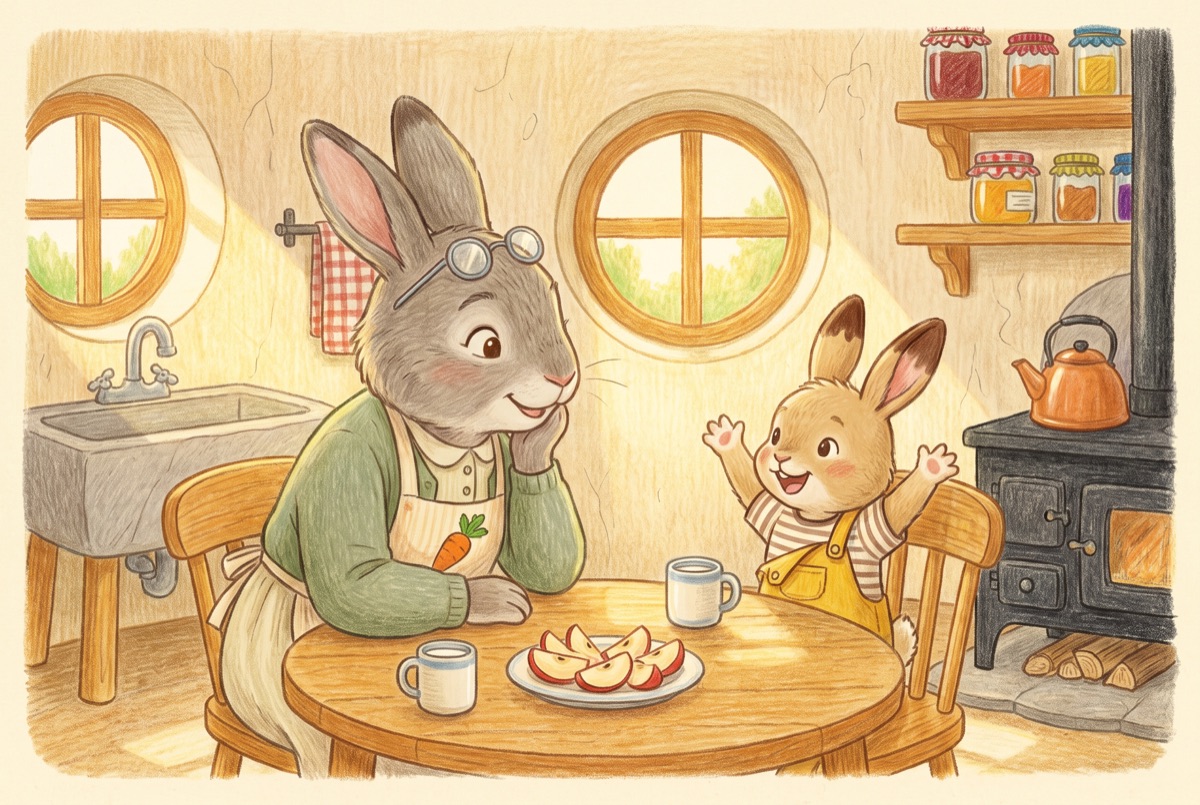
StopBullying.gov's advice is to stay calm, ask questions to understand what happened, and validate the feeling without judgment. The line to have ready is a simple one: "This isn't your fault. No one deserves to be treated that way." Nemours KidsHealth adds one more: praise your child for telling you, because many kids stay quiet out of shame or fear of retaliation. Then decide together whether to contact the school and what to try next time. Whatever you do, do not let them feel they are in trouble for telling you; that closes the channel you just opened.
Teach a script, then practice it
The AAP suggests a three-step response kids can remember: stop, walk, talk. Tell the child to stop, walk away calmly, and tell a trusted adult. The AAP specifically recommends practicing scenarios at home, which is exactly how Beem Bunnies books are meant to be read: rehearse the hard moment before it happens. Take turns playing the child who says "Stop, I don't like that," in a firm voice, then walks away. KidsHealth adds the buddy system (stay near a friend in places where it tends to happen) and practicing a calm face, since a big reaction is often what the other child is looking for.
Being the friend who helps
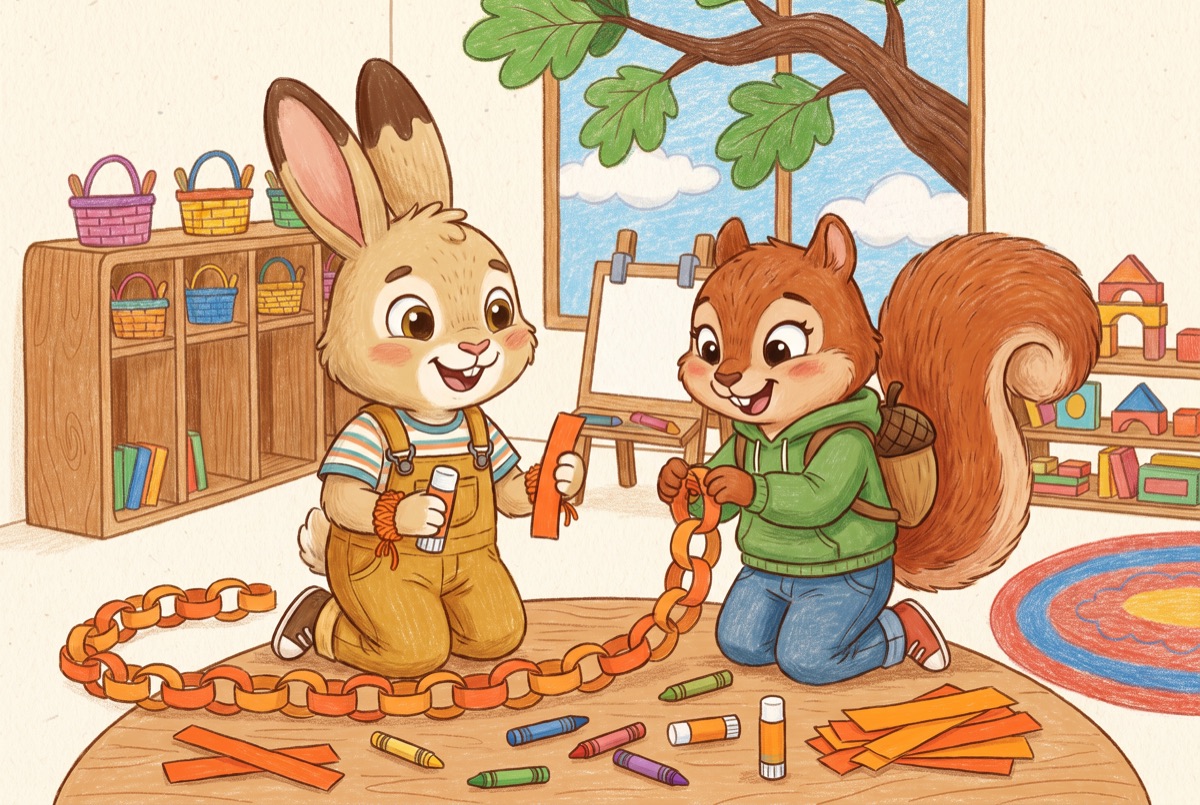
Most children will see bullying more often than they experience it, so teach the bystander role too. The AAP's guidance for kids who witness bullying is to say "Stop," help the targeted child walk away, and get an adult, and to understand that getting help is courage, not tattling. Unity Day, Wednesday, October 21, is PACER's family-friendly way in: wear or share orange as a visible message of kindness and inclusion. Orange socks, an orange wristband your child makes, or a paper "unity chain" of kind messages on the fridge all count.
If your child is the one being unkind
It happens, and it does not make you a bad parent or your child a bad kid. StopBullying.gov's advice is to stay open and listen, then help your child think about the other child's experience: "How do you think they felt?" Focus on teaching what to do instead, work with the school, and hold onto the site's line that bullying is a behavior, and behaviors can change. The AAP adds non-physical discipline that emphasizes responsibility and empathy, and steady praise for kind behavior.
When to call the school
KidsHealth suggests contacting the teacher, counselor or principal first; most schools have an anti-bullying policy and a process. The AAP says to bring in school leaders, counselors and your pediatrician when bullying continues despite your first efforts. Approach the other child's parents only after the school is involved, ideally with a counselor in the room. If you ever have serious worries about your child's safety or mood, do not wait on a process: call the school and your pediatrician the same day.
This post is general information, not medical or mental health advice. If you are worried about your child's mood, sleep, behavior or safety, please talk with your pediatrician.
Related posts
Sources
- StopBullying.gov (U.S. Department of Health and Human Services): What Is Bullying (updated Oct 7, 2024)
- StopBullying.gov: Warning Signs for Bullying (updated Nov 10, 2021)
- StopBullying.gov: How to Talk About Bullying (updated Nov 10, 2021)
- HealthyChildren.org (AAP): Why Bullying Hurts All Children and What Parents Can Do About It (AAP Section on Developmental and Behavioral Pediatrics, updated Nov 6, 2025)
- Nemours KidsHealth: Helping Kids Deal With Bullies (reviewed March 2023)
- PACER's National Bullying Prevention Center: National Bullying Prevention Month
- PACER's National Bullying Prevention Center: Unity Day, Wednesday, October 21, 2026